
Luxor, Egypt, is one of the world’s most remarkable destinations for ancient history, cultural experiences, and unforgettable Nile scenery. Often called the world’s greatest open-air museum, Luxor stands on the site of ancient Thebes .
From exploring the impressive columns of Karnak Temple to discovering the royal burial chambers of the Valley of the Kings, there are countless things to do in Luxor. Visitors can also enjoy a sunrise hot air balloon ride, sail along the Nile on a traditional felucca, visit traditional markets, and discover quieter archaeological sites away from the main tourist routes.
Whether you are planning a short visit, a Nile cruise stop, or a longer holiday in Upper Egypt, this Luxor travel guide will help you discover the best attractions, hidden gems, and practical travel tips for an unforgettable experience.
Why Visit Luxor, Egypt?
Luxor offers a unique opportunity to explore the history of ancient Egypt while enjoying the atmosphere of a modern riverside city. The Nile divides Luxor into two main areas: the East Bank, known for its great temples and city life, and the West Bank, famous for royal tombs, mortuary temples, and ancient burial grounds.
The city’s archaeological heritage includes the celebrated temples of Karnak and Luxor, the Valley of the Kings, the Temple of Hatshepsut, and many other remarkable monuments. Ancient Thebes and its Necropolis are recognized as a UNESCO World Heritage Site, reflecting the exceptional historical importance of the region.
Beyond its ancient monuments, Luxor offers scenic river views, traditional Egyptian food, local markets, hot air balloon experiences, and opportunities to meet local people. It is an excellent destination for history enthusiasts, photographers, families, couples, and travelers exploring Egypt on a Nile cruise.
Best Things to Do in Luxor
Explore Karnak Temple
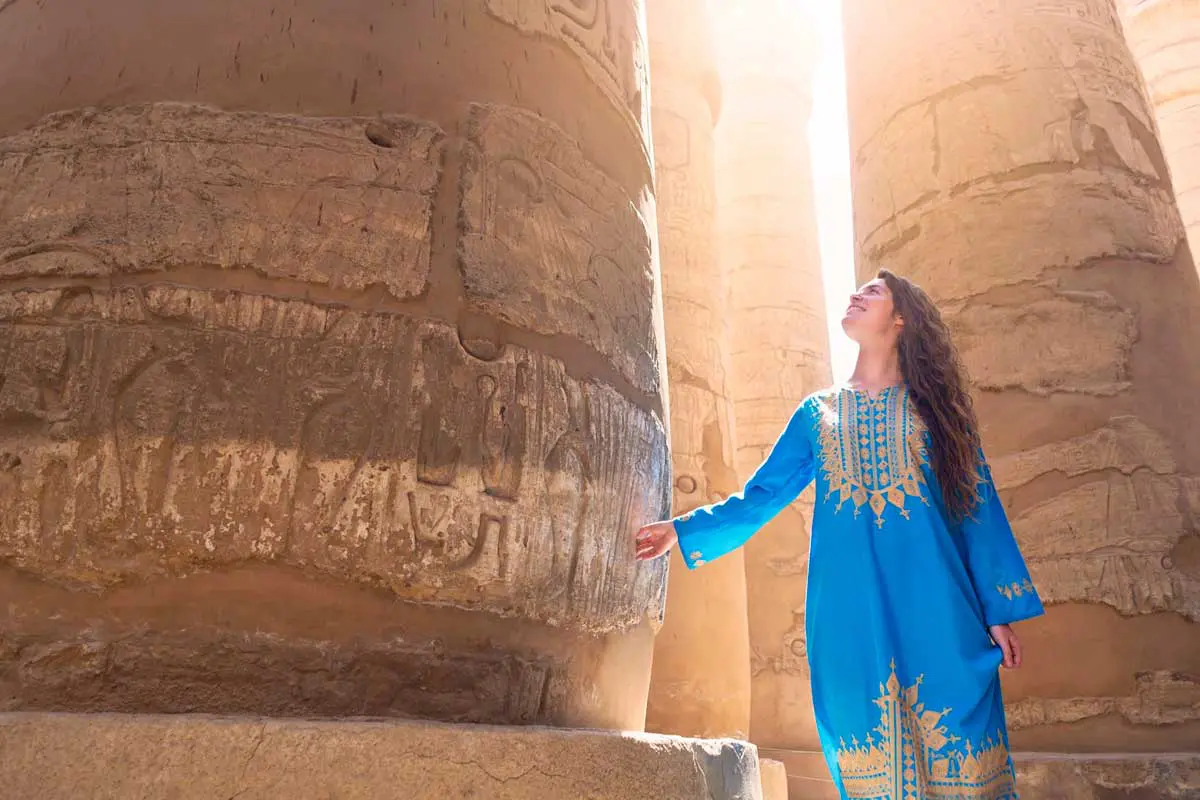
Karnak Temple is one of the most impressive archaeological sites in Egypt and a must-see attraction for anyone visiting Luxor. Rather than a single building, Karnak is a vast religious complex developed by successive rulers over many centuries.
Its most famous feature is the Great Hypostyle Hall, where enormous stone columns create an extraordinary architectural landscape. Visitors can also discover monumental gateways, carved reliefs, obelisks, courtyards, and the remains of ancient sacred spaces.
As you walk through the complex, the scale of the architecture reveals the importance of ancient Thebes as a religious center. An experienced Egyptologist guide can explain the symbolism of the carvings, the roles of the pharaohs, and the religious ceremonies once performed here.
For a more comfortable visit, consider arriving early in the morning, when temperatures are generally cooler. Allow enough time to explore the main areas without rushing.
Visit Luxor Temple
Located in the heart of the modern city, Luxor Temple is another essential stop. Unlike Karnak, which developed as a large religious complex over many centuries, Luxor Temple is particularly associated with royal ceremonies and the ancient Opet Festival.
The temple features impressive statues, monumental columns, decorated walls, and a grand entrance associated with Ramses II. Its position within the city creates a fascinating contrast between ancient architecture and everyday life in modern Luxor.
One of the most interesting aspects of the site is its historic connection with Karnak Temple through the Avenue of Sphinxes, an ancient processional route approximately 2.7 kilometers long.
Luxor Temple is especially atmospheric in the late afternoon and evening, when the lighting highlights its stone columns and statues. If your schedule allows, consider visiting at a different time from Karnak to enjoy two distinct experiences.
Discover the Valley of the Kings
The Valley of the Kings is one of Luxor’s most famous attractions and an essential destination for travelers interested in ancient Egyptian burial traditions. Located on the West Bank of the Nile, this desert valley contains dozens of royal tombs carved into the surrounding rock.
The tombs were decorated with colorful paintings, religious texts, and scenes associated with the pharaohs’ journeys into the afterlife. Several tombs are open to visitors, although access and additional ticket requirements can vary.
The tomb of Tutankhamun is among the best-known, while other tombs are celebrated for their detailed wall paintings and impressive ceilings. The tombs of Ramses VI and other New Kingdom rulers can offer particularly memorable experiences, depending on which sites are open during your visit.
A guided tour can help you understand the symbolism of the paintings and the beliefs that influenced the design of these underground chambers. Check current admission arrangements before visiting, especially if you want to enter a tomb requiring a separate ticket.
Admire the Temple of Hatshepsut
The Temple of Hatshepsut at Deir el-Bahari is one of the most distinctive monuments on Luxor’s West Bank. Built against a dramatic limestone cliff, the temple is famous for its broad terraces, elegant colonnades, and carefully planned architectural design.
Hatshepsut was one of ancient Egypt’s most influential female rulers. The temple reflects her royal authority and the religious traditions of her time, while its reliefs provide insights into important events associated with her reign.
Visitors can explore the different levels of the complex, admire the surrounding desert scenery, and learn about the temple’s history. Its location beneath the cliffs also makes it a striking destination for photography.
The temple is often combined with the Valley of the Kings and other West Bank attractions on a full-day sightseeing tour.
See the Colossi of Memnon
The Colossi of Memnon are two enormous stone statues representing Pharaoh Amenhotep III. They once stood in front of his mortuary temple, much of which has not survived.
Today, the statues are a familiar landmark on the West Bank and a popular stop during sightseeing tours. Their scale provides an impressive introduction to the monumental architecture of ancient Egypt.
A short visit is usually sufficient to appreciate the statues and take photographs. Because the Colossi of Memnon are located near other important archaeological sites, they can easily be included in a wider West Bank itinerary.
Visit Medinet Habu
Medinet Habu is the impressive mortuary temple of Ramses III and one of the most rewarding archaeological sites for travelers looking beyond Luxor’s most famous attractions.
The complex contains large gateways, courtyards, carved reliefs, and detailed depictions of royal ceremonies and military campaigns. Some of its decorated walls preserve remarkable details that help visitors understand the political and religious world of ancient Egypt.
Medinet Habu often feels quieter than Karnak or the Valley of the Kings, making it a good choice for travelers who want more time to appreciate the carvings and architectural details.
It can be combined with the Colossi of Memnon, the Temple of Hatshepsut, and other West Bank sites.
Hidden Gems and Unique Experiences in Luxor
Explore Deir el-Medina, the Village of the Royal Tomb Builders
Deir el-Medina offers a fascinating perspective on the people who built and decorated the royal tombs. This ancient settlement was home to skilled workers, artisans, and their families, who played an essential role in creating the elaborate burial chambers of the pharaohs.
The site includes the remains of houses, tombs, and other structures that provide insights into daily life in ancient Egypt. Unlike the monumental temples, Deir el-Medina helps visitors understand the community behind the royal projects.
Its smaller scale and historical details make it an excellent addition to a West Bank tour, especially for travelers who want to explore beyond the best-known landmarks.
Discover the Ramesseum
The Ramesseum was the mortuary temple of Ramses II and is known for its monumental remains, fallen statues, and historical reliefs. Although parts of the complex have been damaged over time, the site still offers a powerful impression of the scale of royal building projects.
The Ramesseum is often less crowded than the main attractions, providing an opportunity to explore at a more relaxed pace. It is particularly interesting for travelers who want to learn more about Ramses II and the monuments associated with his reign.
Consider including the site in a customized West Bank itinerary if you have extra time in Luxor.
Take a Sunrise Hot Air Balloon Ride
A sunrise hot air balloon ride is one of the most memorable experiences available in Luxor. As the balloon rises over the West Bank, travelers may enjoy panoramic views of the Nile Valley, agricultural fields, desert landscapes, and ancient monuments.
The changing colors of the sky create excellent photography opportunities, while the early morning atmosphere offers a different perspective on Luxor’s landscape.
Flights are weather-dependent and may be canceled if conditions are unsuitable. Choose a reputable operator, confirm the pickup arrangements, and follow all safety instructions. It is also wise to keep the rest of your morning schedule flexible.
Sail on the Nile in a Traditional Felucca
A felucca ride provides a peaceful way to experience the Nile. These traditional sailing boats move with the wind, offering views of palm-lined riverbanks, local villages, islands, and the surrounding landscape.
A short sailing trip can be particularly enjoyable near sunset, when the light creates beautiful reflections on the water. It is an excellent activity for couples, families, and travelers seeking a break from sightseeing.
Before departing, agree on the duration, route, and price with your boat operator. Bring sun protection during daytime trips and consider a light layer for breezy evenings.
Walk Along the Avenue of Sphinxes
The Avenue of Sphinxes connects Karnak Temple with Luxor Temple and provides another way to appreciate the scale of ancient Thebes. The restored route is lined with sphinx statues and once played an important role in religious processions.
Walking along the avenue or viewing sections of it during a temple visit helps visitors understand the connection between the two major East Bank complexes.
The avenue is especially interesting for travelers who want to explore how ancient ceremonial spaces related to the wider city. Check current access arrangements before planning a dedicated walk.
Best Places to Visit Near Luxor
Dendera Temple
Dendera Temple, located north of Luxor, is one of the most beautiful temple complexes in the region. Dedicated primarily to the goddess Hathor, it is celebrated for its detailed carvings, impressive columns, and astronomical decorations.
The temple’s decorated ceiling and distinctive architectural features make it especially attractive to travelers interested in ancient Egyptian religion and art.
Dendera can be visited on a day trip from Luxor, usually by private vehicle or organized tour. The journey takes time, so confirm the expected travel duration and sightseeing arrangements before booking.
Abydos Temple
Abydos is an important archaeological destination associated with the worship of Osiris, the god connected with the afterlife. The Temple of Seti I is particularly admired for its detailed reliefs and historical significance.
A visit to Abydos offers a deeper look into ancient Egyptian religious traditions and royal history. It is often combined with Dendera for travelers who want to explore two remarkable temple sites in one excursion.
Because the journey involves travel beyond Luxor, an organized tour can simplify transportation and help you make the most of the day.
Esna Temple
Esna Temple is another interesting stop for travelers exploring the wider Luxor region. Dedicated to the god Khnum, the temple is known for its surviving columns and decorated ceiling.
It is located in the modern town of Esna, south of Luxor, and can be included in selected private excursions or broader Upper Egypt itineraries. Its historical details and different atmosphere make it an appealing option for travelers who have already visited Luxor’s major monuments.
What to Eat in Luxor
Luxor offers a variety of Egyptian dishes, from simple local meals to international cuisine in hotels and restaurants. Traditional favorites include koshari, ful medames, taameya, grilled meats, fresh bread, and seasonal vegetables.
Travelers should also look for regional dishes served in local restaurants and family-run establishments. A meal overlooking the Nile can be a relaxing way to end a day of sightseeing.
For a more comfortable dining experience, choose restaurants with good food-handling practices, drink sealed bottled water if preferred, and consider how spicy or rich a dish may be before ordering.
Best Time to Visit Luxor
The most comfortable season for exploring Luxor is generally from October to April, when daytime temperatures are usually more suitable for visiting temples and tombs. Winter is popular with travelers who want to spend longer periods outdoors, although mornings and evenings can be cool.
Spring and autumn can also be excellent times to visit, offering warm weather for sightseeing and Nile activities. Summer can be extremely hot, especially around midday, so travelers should plan outdoor visits carefully.
During warmer months, start sightseeing early, wear a hat, use sunscreen, and carry drinking water. Always check current opening times and ticket arrangements for archaeological sites before your visit.
How Many Days Do You Need in Luxor?
Two full days are a good starting point for exploring Luxor’s major attractions. The first day can focus on the West Bank, including the Valley of the Kings, the Temple of Hatshepsut, and the Colossi of Memnon. The second day can be dedicated to the East Bank, including Karnak Temple and Luxor Temple.
Travelers with three or four days can explore additional sites such as Medinet Habu, Deir el-Medina, the Ramesseum, or Luxor Museum. Extra time also allows for a sunrise balloon ride, a felucca trip, or an excursion to Dendera and Abydos.
If Luxor is part of a Nile cruise itinerary, check which attractions are already included before arranging additional tours. This helps avoid unnecessary duplication and gives you more time to enjoy the city.
Practical Travel Tips for Visiting Luxor
Getting Around Luxor
Luxor’s main attractions are spread across both banks of the Nile. Private transfers, organized tours, taxis, and local boats can help travelers move between sites.
A private vehicle with a qualified guide is a convenient option for visiting several West Bank attractions in one day. It allows you to organize the route, manage your time, and spend longer at the sites that interest you most.
Confirm pickup locations and return arrangements in advance, especially if you are staying on a Nile cruise ship or need transportation to the airport or train station.
What to Wear and Bring
Comfortable walking shoes are essential because temple grounds and archaeological sites often have uneven surfaces. Lightweight clothing, sunglasses, a hat, and sunscreen are useful throughout much of the year.
Bring water for daytime sightseeing and a light jacket during the cooler months. A camera or smartphone is helpful for photographing monuments, but always follow the site’s photography rules and any restrictions inside individual tombs.
Booking Guided Tours
A knowledgeable Egyptologist guide can bring the monuments to life by explaining their history, religious symbolism, and connections to different pharaohs. Guided tours are particularly valuable at sites with complex inscriptions and elaborate tomb decorations.
When comparing tours, check whether entrance tickets, transportation, guiding services, and meals are included. Some attractions or special tombs may require additional admission fees, so confirm the package details before booking.
Is Luxor Worth Visiting?
Luxor is an essential destination for anyone interested in ancient Egyptian civilization, monumental architecture, and the history of the Nile Valley. Its temples, royal tombs, and archaeological landscapes provide a remarkable journey through thousands of years of history.
From the grandeur of Karnak Temple and the Valley of the Kings to quieter sites such as Deir el-Medina and Medinet Habu, Luxor offers experiences for both first-time visitors and returning travelers. A hot air balloon ride, a traditional felucca sailing trip, and an evening beside the Nile add variety to the historical sightseeing.
With a well-planned itinerary, you can discover the city’s most famous attractions while leaving time for its quieter corners and local culture.
Plan Your Luxor Adventure
If you are planning a trip to Luxor, consider combining the East Bank temples with a full West Bank sightseeing tour. Travelers with additional time can explore Dendera and Abydos, take a sunrise balloon ride, or enjoy a relaxing Nile sailing experience.
Choosing the right transportation, checking attraction inclusions, and allowing enough time at each site can make your visit more comfortable and rewarding.
Explore the available Luxor tours from Luxor Egypt Travel to find experiences that suit your interests, schedule, and travel style. Whether you prefer a private historical tour, a day trip to nearby temples, or a relaxing Nile experience, Luxor offers an unforgettable introduction to the wonders of ancient Egypt.



Hi, this is a comment.
To get started with moderating, editing, and deleting comments, please visit the Comments screen in the dashboard.
Commenter avatars come from Gravatar.